
Malapascua Island and Thresher Sharks
with Thresher Shark Divers
Malapascua Island, as our base and the place we first landed, is our favourite place in the Philippines to dive, because it has little bit of everything...

Thresher Sharks!
The only place in the world you can see them every day
Gato is a marine reserve and sea snake sanctuary. It has at least five dive sites with a huge diversity of marine life. We are constantly seeing new creatures.
At all sites you can see such things as banded sea snakes, cuttlefish (often while mating), seahorses, nudibranchs, frogfish, scorpion fish, porcupine fish, and smashing mantis shrimp. Away from the reef you can see schools of squid and big-mouthed mackerel attracted by the bait-balls. There are many white-tip sharks in residence at Gato, as well as bamboo and cat sharks.
The coral is in good condition and the rocky island has many interesting underwater rock formations, overhangs, and swim-throughs.

Gato Island
"Come for the thresher sharks, but leave remembering Gato," is the saying we came up with at Thresher Shark Divers. The thresher sharks are stunning, but Gato Island is out of this world.
Whether you’re just starting out or want to renew your equipment, rest assured you’ll shop with confidence at Philippines Dive and Travel. Our experienced staff is ready for you, just book a meeting with one of our advisors.

Kalangamann Island
A paradise Island
Kalanggaman Island is the picture postcard desert island, actually chosen from over 7,000 islands to grace the cover of Jens Peters – the definitive Philippines Travel Guide. The island itself is just palm trees and a pile of white sand surrounded by crystal clear water and steep walls dropping off into the blue.
Vis is usually good and fish life is plentiful. Drop down the walls which are covered in hard corals and gorgonian fans and inhabited by many varieties of fish. Look for pelagics out in the blue including sharks, rays, tuna and barracuda, or unusual fish like clown triggers on the wall. You can also see many critters including nudibranchs, crabs and shrimp. As you come back along the top of the wall, look for fields of garden eels, and large patches of hammerhead nudis which always seem to be mating! You can often find the beautiful white mushroom coral pipefish, ornate ghost pipefish and candy crabs as well as the very special Denise Pygmy seahorse which is currently in residence.
Dolphins are often seen on the way there or back.
Often we will stop on the island for a beach barbecue during our surface interval and overnight stays can also be arranged.

Thresher Shark DIvers
The Pioneers of Diving on Malaapscua ISland
Thresher Shark Divers, opened in 2004, is one of the oldest dive shops on Malapascua and is the only PADI CDC - the highest rating of any PADI DIve Center.
They combine an unblemished safety record with the most experienced staff you can find, which combine to give you the best diving experience on the island. WIth a team of PADI Master Instructors, local Divemasters with laser eyes and several thousand dives around the island, the best boat crews, compressor and equipment rooms staff and passionate office staff - most of whom have worked for TSD for over a decade - you are sure to have the experience of a li


Dive shop
Bounty Beach, Malapascua
Thresher Shark Divers is located in the center of everything that is Malapascua, on Bounty Beach on the west end of the main beach (left as you're looking inland).
It is a full-service dive center, with a reception, retail area, equipment room for rental and storage of your gear, a filling station, and classrooms. There are also two restaurants and bars attached.


Boats
Our own fleet of custom designed dive boats
TSD has several dive boats. The traditional Filipino-style wooden banka boats are custom-designed and hand-built right on their beach by local craftsmen. They also have a speed-boat and several wooden flat-bottom boats for nearby sites. The crew are second to none, and will help you from start to finish - from checking your air to putting on your fins, to holding your tank just prior to that giant stride!


Resorts
A range of options to suit you
We work with a wide range of resorts on the island and can book a resort to fit your needs and budget. Tepanee resort (pictured here) is a favourite with many of our customers, but we can book everything from a budget fan room on up.


Equipment rental and Nitrox
Only the best
TSD stocks only the best qulity rental equipment, andservices everything regularly. Our dedicated equipment crew check everything in and out every day, make sure everything is functioning properly and can do repairs in-house. Every single tank fill is checked for air quality and we have a full-service air and nitrox filling station, and can also fill trimix and 100% oxygen.
Diving
Subheading
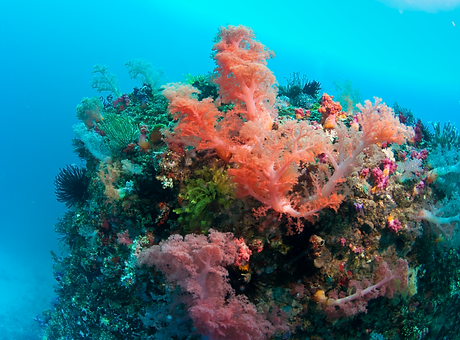
Fun DIves
A huge variety of dive sites
As well as the sites mentioned above there are many other dive sites to keep you busy. The reason that Andrea, TSD's owner, decided to settle on Malapsacua, was for the huge variety of marine life around the island. This small island is surrounded by many different influences from lots of directions, and so the marine life is incredibly diverse. We are certain we can tick off many creatures from your bucket list!
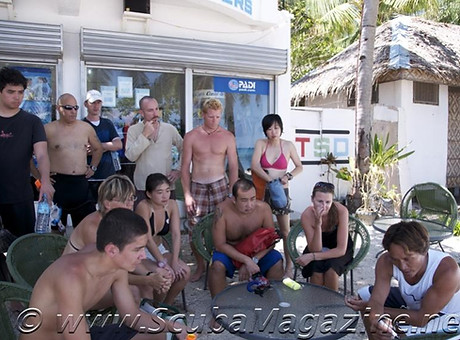
Courses
PADI courses from beginner to pro
Thresher Shark Divers offers dozens of PADI Dive Courses. Our experienced PADI professionals, hand-picked from the best world-wide, will guide you through your courses.
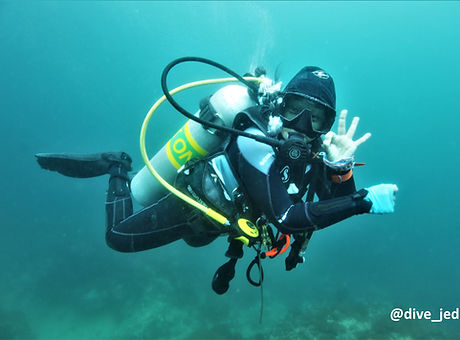
Tec Diving
Tec, Sidemount, and Trimix
we offer a range of PADI tec courses. Tec is not just for experienced divers - sidemount can be done by Open Water students! So it's good for all levels!

Dive Pro Programs
Divemaster and Instructor Internships
TSD was the pioneer of dive internships programs in the Philippines and has the most active Divemaster Trainee program in the country. With its dedicated team of PADI Master Instructors, there is no better place to learn how to be a PADI Pro!